The problem
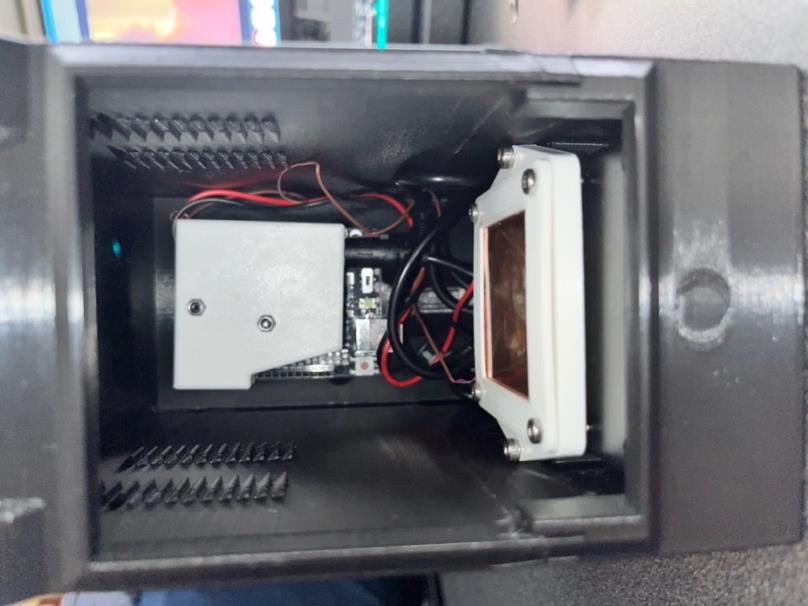
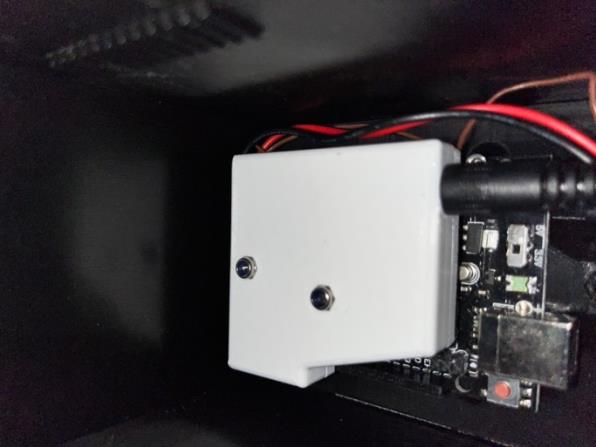
Testing food for bacterial contamination normally means sending a sample to a lab. PORTLAB's goal was a field-usable alternative: a portable device that uses fluorescence to flag contamination on the spot, integrating a Peltier heater, camera, Arduino controller, and battery into one light-sealed enclosure a technician could actually carry into the field.
My role
On a three-person team, I owned the mechanical integration — designing the enclosure that had to keep the detection optics light-sealed while giving service access to the heater, camera, and electronics inside. That's a harder brief than it sounds: tolerances tight enough for a proper light seal, loose enough to actually assemble and re-open the unit, and forgiving of consumer-grade 3D-printing accuracy.
Early enclosure revisions failed on exactly that — parts that fit in CAD didn't seat correctly once printed, and initial access panels made assembly awkward. I iterated through several print revisions, documenting each tolerance and access failure and the specific dimensional fix, until the enclosure sealed correctly and assembled cleanly.