
Selected work
05 SHOWN — FULL INDEX →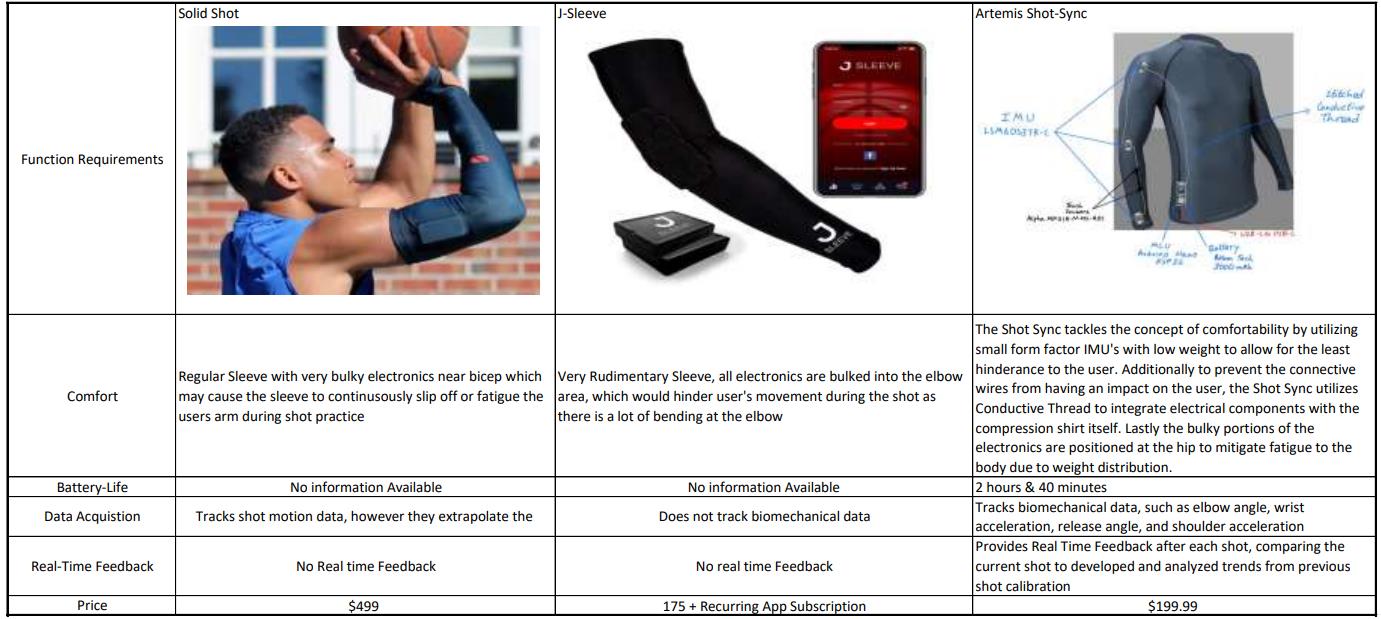
Artemis Shot‑Sync
A wireless IMU sleeve that reads a basketball player's elbow angle, release angle, and shoulder acceleration in real time and turns it into shot-by-shot coaching feedback. Six-person team, first-listed lead — thermal and structural FEA, sensor fusion, BOM & margin analysis down to the component.
Read the case study →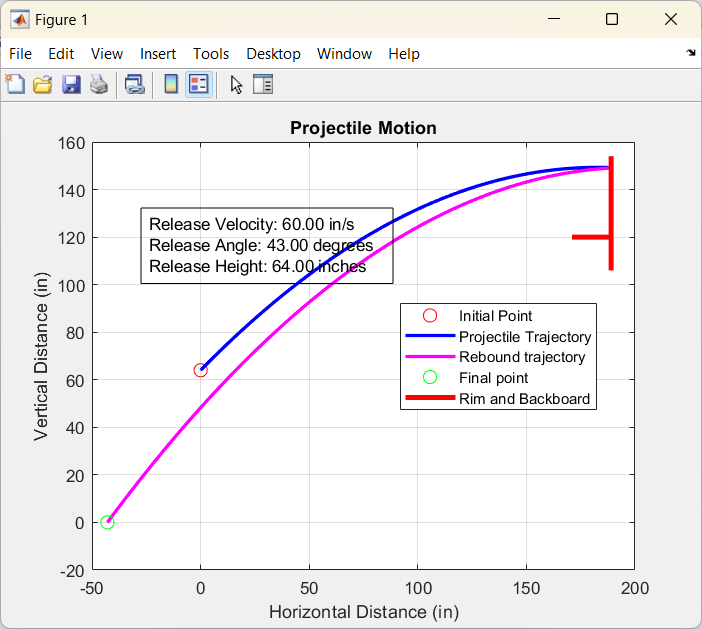
Basketball Shot Biomechanics
Built a low-cost, dual-camera computer-vision rig to extract joint-angle kinematics from Purdue D1 basketball players — including National Player of the Year Zach Edey — to separate makes from misses.
Read the case study →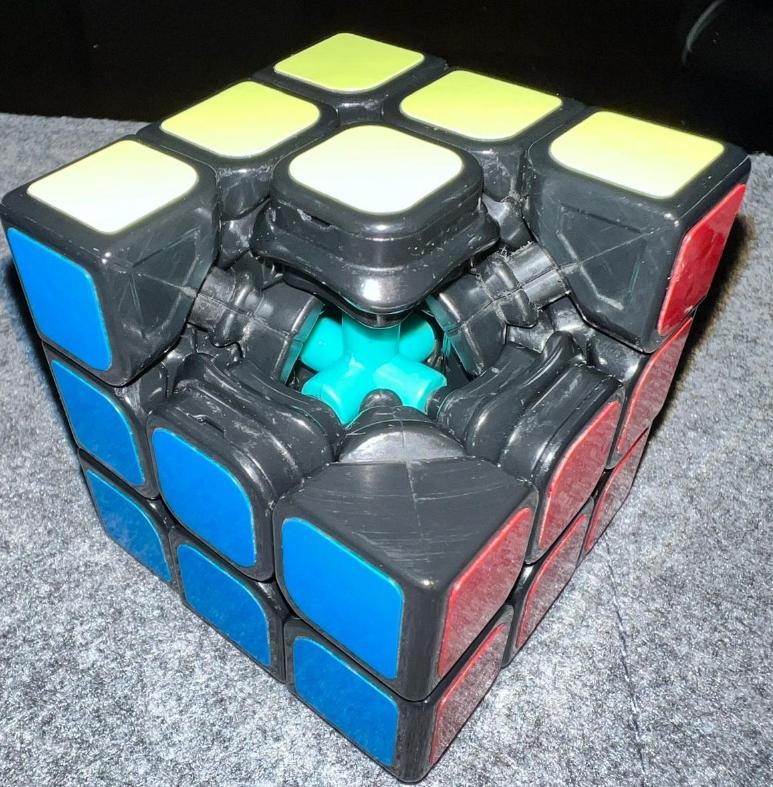
DFM/DFA: Injection-Molded Cube
Solo manufacturability teardown of a 3x3 mechanical puzzle — Boothroyd-Dewhurst analysis, mold cost and tonnage selection, and per-part cost modeling.
Read the case study →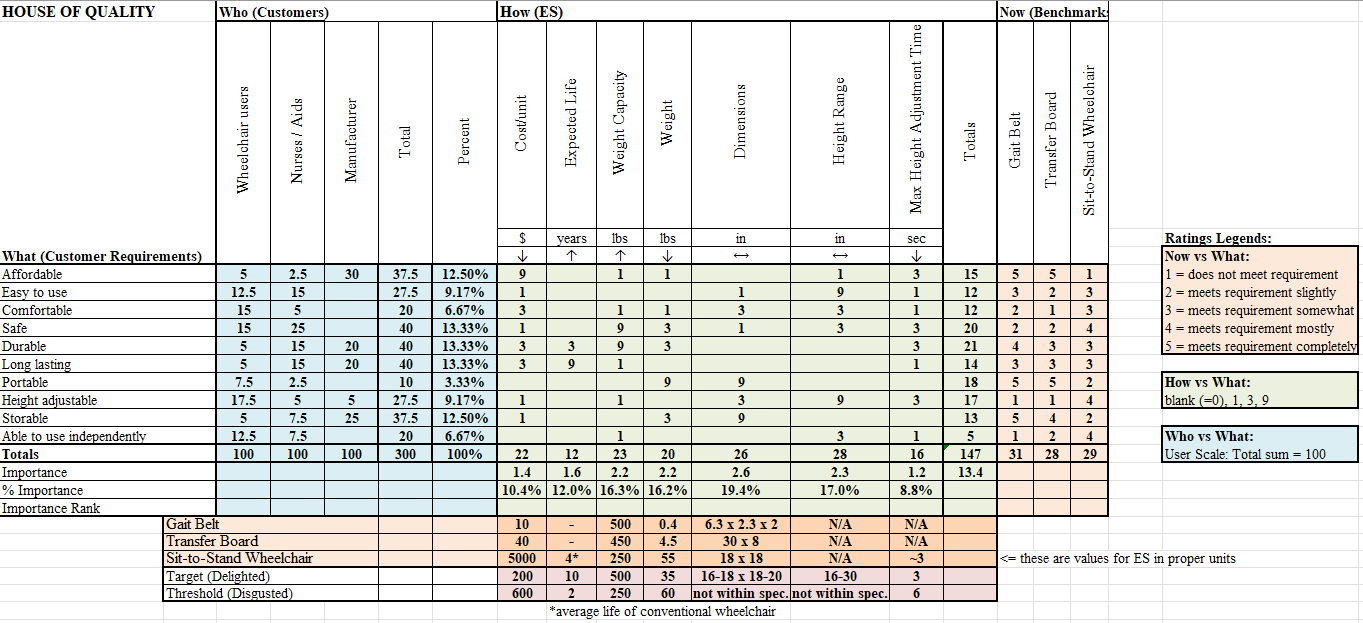
Height-Adjustable Wheelchair
Full design lifecycle for a scissor-lever wheelchair mechanism — concept generation through QFD, CAD, BOM costing, and NPV/ROI justification.
Read the case study →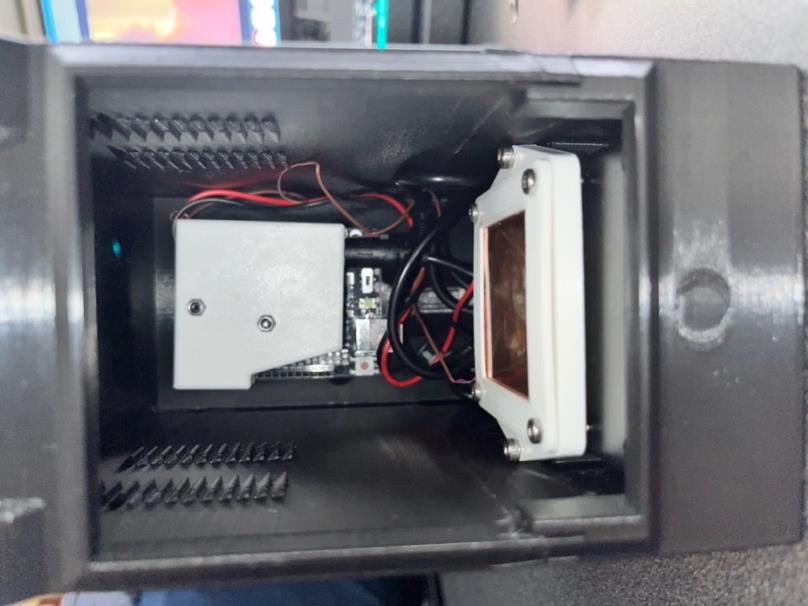
PORTLAB Field Contamination Reader
Owned mechanical integration and enclosure design for a portable fluorescence-based food-safety detector — iterating through 3D-printed tolerance failures to a working field unit.
Read the case study →From the journal
1 ENTRY — FULL JOURNAL →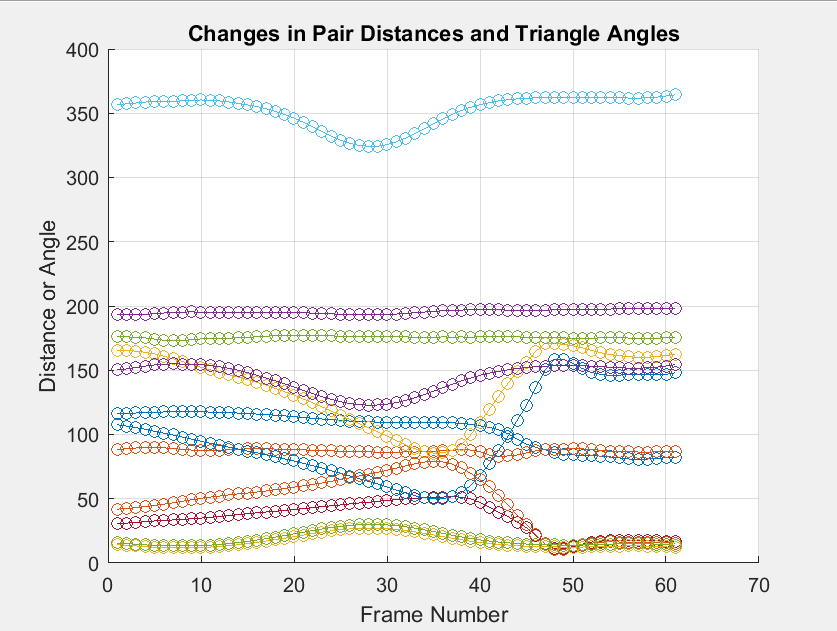
How I work
I get closest to the problem, not the CAD. The Shot-Sync capstone started because our team wanted to know why a jump shot goes in — that meant building the motion-capture rig ourselves, learning what data actually correlates with a make, and only then designing the hardware around it.
I quantify what most student projects hand-wave. Thermal margins, drop-test displacement, injection-mold cycle time, unit economics at 2,500 units/year — if a design decision can be modeled, I model it before I prototype it.
I document failure as carefully as success. BLE packet loss capped our wearable's test runs; a bad 3D-print tolerance broke an early enclosure revision. Both are in the reports, with the fix.